
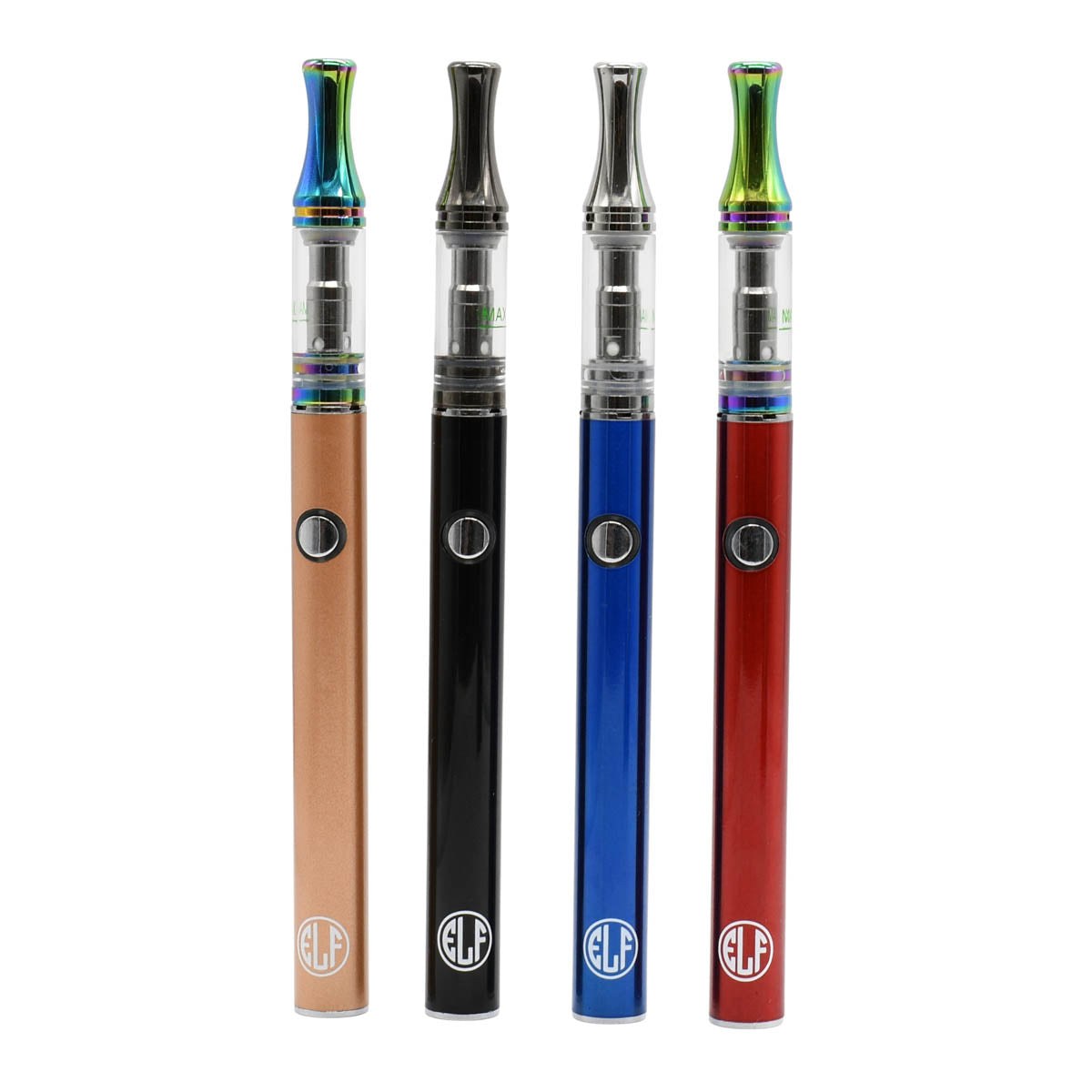
People often assume the vape market is just a messy pile of proprietary chargers and incompatible parts that forces you to keep a separate drawer for every brand. There’s a common idea that you need a dedicated battery for every specific oil you find. That’s a misconception. Most of the industry has actually settled on a single, universal standard that makes life much easier if you want to build your own setup.
A 510 thread battery is basically a rechargeable lithium-ion power source with universal threading that fits almost every vape cartridge out there. This standard means if you own a decent battery, you can swap through dozens of different cartridges without buying a new device every time. It’s the «USB-C» of the vaping world, so your investment in a high-end battery doesn’t become useless the moment a new cartridge brand hits the shelves.
The 510 connection uses a threaded barrel that screws onto the top of the battery to create a secure electrical connection. This mechanical link sends the exact voltage needed to vaporize the oil inside. It’s a simple solution to a compatibility problem. Because it’s an industry standard, the ecosystem stays stable and predictable for consumers.
Whether you want a tiny pen that fits on a keychain or a heavy-duty box mod, the connection point is the same. You aren’t just buying a battery; you’re buying the ability to experiment with different flavors and potency levels without worrying if the hardware will actually work. That’s why the 510 thread is still the dominant force in the market.
The Anatomy of a Reliable Power Source
The sheer number of batteries out there can feel overwhelming. You see slim pens, compact boxes, and key-fobs that look like tech gadgets. We’ve found that the shape matters much less than the precision of the threading and how steady the voltage is. If the connection is loose or the power fluctuates, you risk leaking oil or, even worse, burning out an expensive cartridge.
The Yocan UNI Pro is a good example of how customization has entered the market. It’s a versatile 510-thread battery with features for people who want more control, like a high-res OLED screen that shows exactly what’s happening. This isn’t just for show; it’s about control. If you’re using a high-potency distillate, you might want lower voltage to avoid a harsh hit, while a live resin might need a different setting to get the best flavor.
For those wanting something higher-end, there are options like the Core Series Vessel, which is made for connoisseurs. This hardware focuses on the build quality of the connection itself. With a premium device, the threads feel smooth, the screw-on action is precise, and the battery doesn’t lose its charge overnight while sitting on your nightstand. It makes a huge difference when you want to vape and realize your battery is dead right when you need it.
If you’re deciding between models, look at the technical specs rather than just the brand name. Most people just want something that works every time they screw it in, but advanced models offer data that can save you money by preventing burnt coils. We suggest checking out a link view comparison to see how brands stack up in terms of battery life and voltage increments before you spend money on a setup that might be overkill.
It’s a mix of physics and electronics. A well-made battery provides a steady current that prevents the heating element in your cartridge from spiking. That’s the difference between a smooth, flavorful hit and a burnt, acrid taste that ruins a cartridge in three hits. Precision matters.
Voltage, Watts, and the Science of the Hit
Voltage is the most important variable. If it’s too high, you’ll cook the oil, creating a scorched taste and destroying the terpenes that make the oil valuable. If it’s too low, you won’t get enough heat to vaporize the oil, which leads to «clogging» where the oil just sits there, messy and unvaporized. Finding that sweet spot is what every serious enthusiast aims for.
Modern batteries have moved past simple «on/off» buttons. We’re seeing a shift toward devices that allow for granular control. Some users like a simple pre-set, while others want to cycle through five or six levels to match the specific density of their oil. This is where specialized hardware pays off, especially with expensive concentrates.
Common voltage ranges for different cartridges:
- Low Voltage (2.0V – 2.8V): Best for high-quality live resins and terpenes where flavor is the priority.
- Medium Voltage (2.9V – 3.5V): The standard for most distillates and everyday use.
- High Voltage (3.6V+): Usually for thicker oils, but carries a high risk of burning the wick.
The O2VAPE line is another interesting player, offering a battery with a puff counter, voltage data, and battery life monitoring, all with a lifetime warranty. This transparency is helpful so you aren’t guessing how much juice or how many hits you have left. It removes the guesswork found in cheap, no-name batteries from discount stores.
When you adjust these settings, you’re essentially managing the thermal properties of the heating element inside your cartridge. It’s a delicate balance. You want enough heat to turn liquid into vapor, but not so much that you cause a chemical change that alters the flavor or the effect of the cannabinoids. Most people learn this through trial and error, which is why a device with a screen is so useful for beginners.
Hardware Reliability and the Lifetime Warranty Factor
A major headache in the community is the «disposable» nature of cheap electronics. You buy a ten-dollar pen, and in two weeks, the charging port fails or the thread strips. That’s why the premium segment exists. When you spend over fifty dollars on a battery, you’re paying for the internal components and the threading mechanism.
There’s a trend of users paying a premium for peace of mind. For example, O2VAPE offers products starting at $56.95 that include a lifetime warranty. While that’s a jump from a gas station pen, the math works out. If you buy a $15 pen every month because they keep breaking, you’re spending much more than you would on one high-quality, warrantied device that lasts years.
A reliable battery should also handle various charging methods without overheating. Lithium-ion batteries are sensitive to heat; if the charging circuit is poorly designed, the battery can swell or lose its ability to hold a charge. This is why internal tech is more important than the outer shell. You want a device that manages power cycles efficiently to protect both the battery and your cartridges.
Keep this comparison in mind when evaluating hardware:
| Feature | Budget Pens | Premium Batteries |
|---|---|---|
| Threading | Often plastic or cheap zinc | Precision-machined brass or steel |
| Voltage Control | Fixed or limited steps | Highly adjustable/OLED display |
| Charging | Micro-USB or proprietary | USB-C or high-efficiency lithium |
| Durability | Disposable/Short-term | Long-term/Warrantied |
It’s easy to get caught up in how a device looks, but the internal circuitry determines the experience. A beautiful pen that won’t charge is just a paperweight. Prioritize devices with a track record of durability and consistent voltage over those that just look good in a social media post.
Navigating the Market: What to Look For in 2026
As we move through 2026, the market is getting more sophisticated. There’s a move away from «all-in-one» disposables toward modular systems. This is a good shift. It’s more sustainable because you aren’t throwing away a whole piece of electronic waste every time you finish a cartridge; you’re just replacing the consumable part.
Smart features are also changing how we use these devices. Puff counters, which show exactly how many hits you’ve taken, are becoming standard on mid-range and high-end models. This is useful for tracking usage and getting the most out of your cartridges. Some users use these counters to manage their intake, which is helpful when dealing with high-potency concentrates that can be overwhelming if you aren’t paying attention.
When shopping, ask the tough questions. Is it rechargeable via USB-C? Does it have a safety cutoff for overcharging? Does the manufacturer stand behind it with a warranty? These questions separate serious hardware from cheap plastic. Also, check if the battery is compatible with your preferred cartridges, as some 510 connections are deeper or shallower than others, which affects the electrical contact.
Technology is moving fast, and the line between «consumer electronics» and «specialized vaping hardware» is blurring. We’ll likely see more integration of smart tech, maybe even smartphone app connections for precise control over temperature. The goal remains the same: a consistent, reliable, and flavorful experience that respects the quality of the oil.
The era of the unreliable, disposable pen is slowly being replaced by a more intentional, hardware-focused approach to vaping.